

Fort Dodge Then...
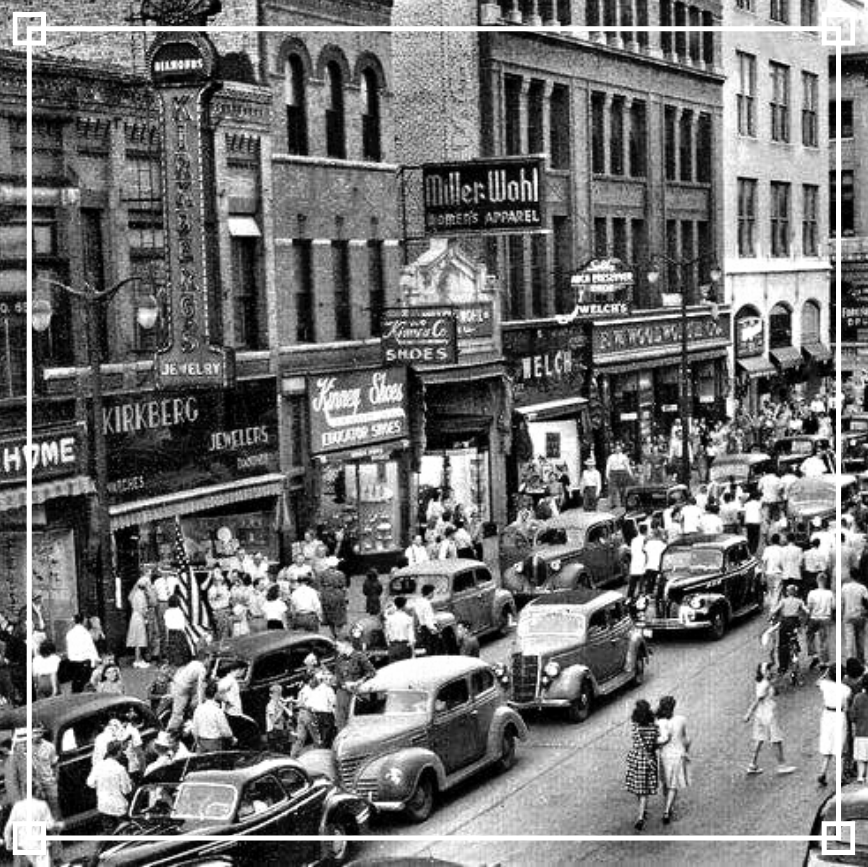
Fort Dodge experienced its fastest growth between 1890 and 1910. Some of this expansion occurred as people moved from rural areas into cities that offered greater economic and cultural opportunities. The 1890 census recorded a population of 1,870, and by 1910 the population had risen to 15,543. This period of growth was supported by the installation of essential municipal services, including water, sewer, gas, telephone, and electric systems. As the population increased, Fort Dodge expanded and diversified its local economy. Major industries during this time included gypsum and clay products, foundry products, banking, furniture, meat packing, poultry, butter and eggs, oatmeal manufacturing, flour milling, agricultural implements, butter tubs and barrels, cigars, carbonated beverages, confectionery items, and men’s work clothing.
For more information on Fort Dodge's history go to https://www.fortdodgehistory.com/.
Webster County Then...
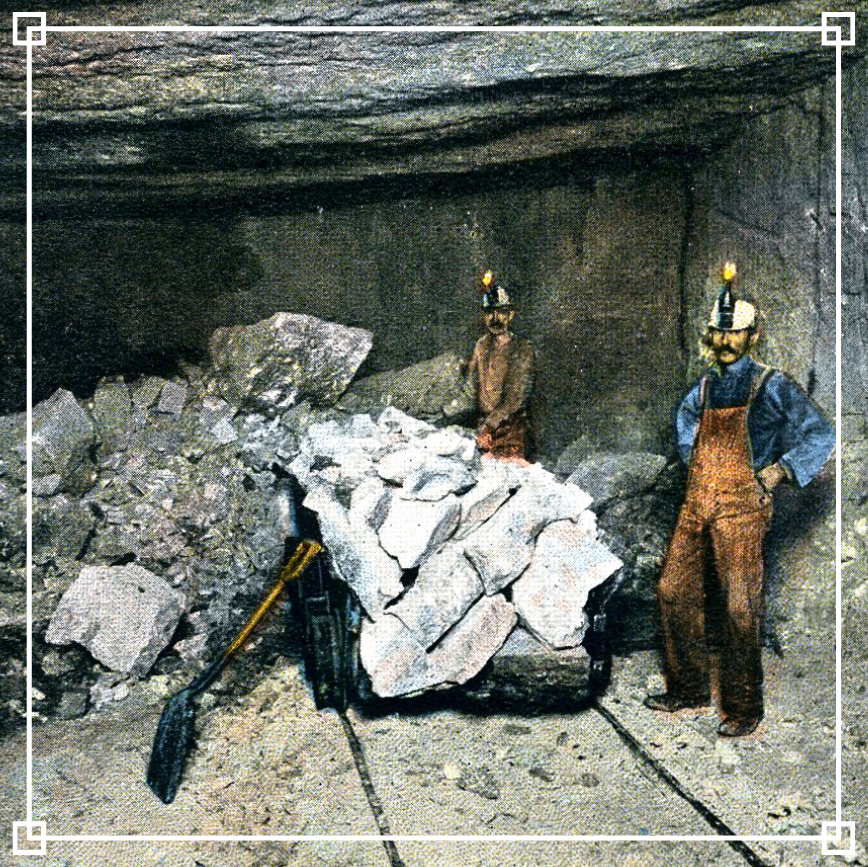
Coal played an important role in the economic development of Webster County. In addition to coal, the area had abundant supplies of clay, gypsum, and limestone. A major boost for Webster County gypsum production came in 1893 when local mills won the contracts to provide gypsum plaster for the Chicago World’s Fair, where all of the spectacular buildings were temporary structures built with wooden frameworks covered in plaster. Coal fueled the establishment of the gypsum industry. The first mill was established in 1872, and over the years, 13 mills were built in the county, making Webster County reportedly the largest producer in the world.
Clay products became the second largest industry in Webster County, supported by the production of brick, tile, and stoneware. These products were needed to build the newly established towns in northern and western Iowa, the Dakotas, and Minnesota, and to drain the agricultural wetlands of north‑central Iowa—opening some of the world’s richest soils to agriculture. At one time, five plants produced brick, sewer pipe, and drainage tile. Locally produced drainage tile helped drain the region’s extensive wetlands, making available the world’s best soil for farming. Clay stoneware was also a major product, and Webster County was by far the largest producer of stoneware in Iowa.
For more information on Webster County's History go to
https://www.fortdodgehistory.com/.
Fort Dodge Now...
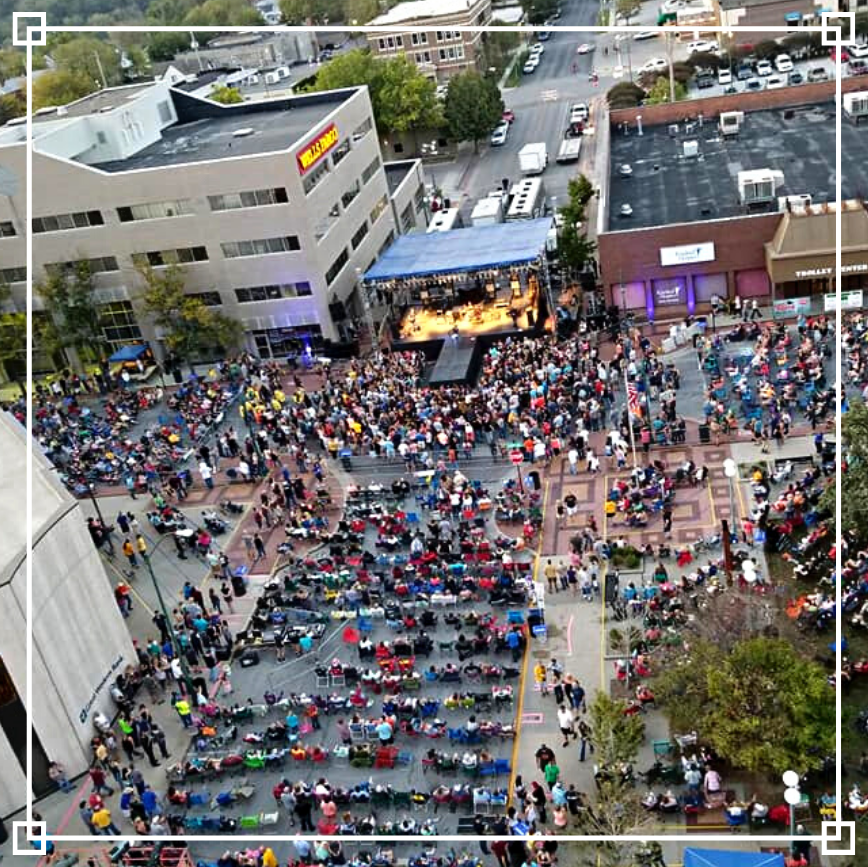
Fort Dodge is located at the junction of Highway 20 and Highway 169, with a population of around 25,000. The community serves as a regional hub for American‑owned corporations that produce wild bird seed, wet corn milling products, gypsum wallboard, radiators, ethanol, aluminum food containers, fishing and pontoon boats, and agricultural chemicals. Internationally owned companies from France, the United Kingdom, South Korea, Germany, and New Zealand also operate here, producing gypsum products, pet foods, animal feed, and animal health products. The region’s rich soil keeps agriculture a major industry, with the county’s farming community selling more than $353 million in agricultural products each year.
The arts are active throughout the region, featuring an art museum, more than six community theatre groups, symphony performances, numerous vocal performance groups, and an active DIY art studio. Additional attractions include a frontier museum with over 20 buildings of collections, a family‑owned orchard, a winery and breweries, and Iowa’s tallest mural.
Webster County Now...
Webster County’s largest community is Fort Dodge, which has a population of around 25,000, approximately 11,500 households, and a median household income of $32,100. Webster County’s labor force includes 17,604 workers with a 3.8% jobless rate. Fort Dodge is conveniently located on U.S. Highway 20, a four‑lane route stretching from Dubuque, Iowa, to Sioux City, Iowa.
Smaller communities throughout Webster County host outstanding events during the year. Gowrie’s 4th of July Celebration and Dayton’s Championship Rodeo on Labor Day Weekend are key events that visitors won’t want to miss.
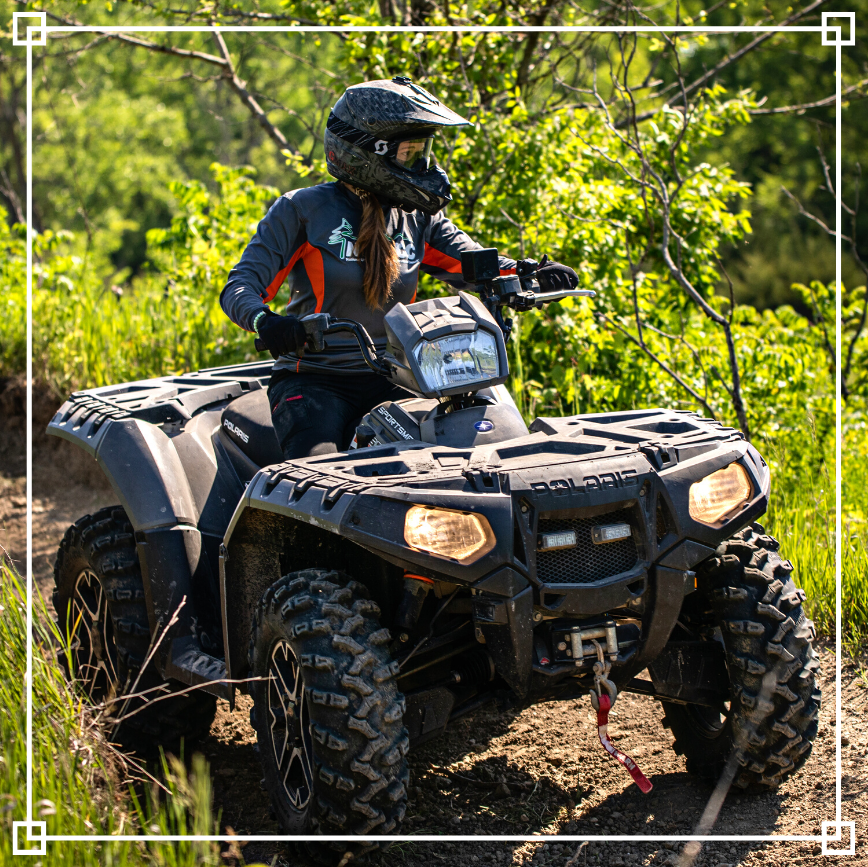
Recreational opportunities in the region include 65 miles of off‑highway vehicle riding at Gypsum City OHV Park, two state‑designated water trails covering 65 miles, more than 100 miles of snowmobile trails, 30 miles of connected multi‑use paved trails, mountain bike trails, fishing lakes, rivers, and ponds, public parks, golf courses, and a state recreation area with 45 miles of equestrian and multi‑use trails.